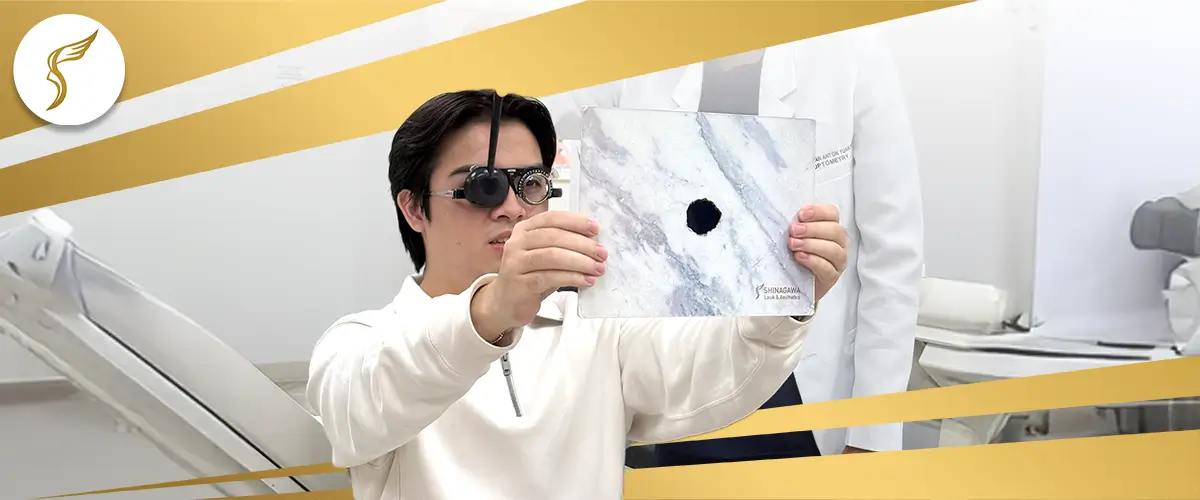
Visual perception plays a vital role in how people understand and interact with the world. It is not simply about seeing clearly. It is about how the brain interprets and organizes visual information. From reading and writing to navigating spaces and recognizing objects, visual perception skills support many everyday tasks.
We explain what visual perception activities are, why they matter, and how they help strengthen essential skills. It also outlines practical activities used at home, in classrooms, and in therapy settings, with a focus on clear, evidence-based information suitable for readers in the Philippines.
What Are Visual Perception Skills?
Visual perception refers to the brain’s ability to process and make sense of what the eyes see. This includes identifying shapes, noticing details, understanding spatial relationships, and filtering distractions in visually busy environments.
Unlike eyesight, which measures how clearly a person can see, visual perception involves visual processing. It allows the brain to scan information, isolate important images, and focus amid visual “noise.” These skills are closely connected to visual-motor integration, where visual input guides hand movements during tasks such as writing or drawing.
Strong visual perception skills support learning, independence, and confidence in daily activities.
Visual Perception Activities by Skill Area
Visual perception activities can be simple, structured, and effective when matched to the right skill.
Paper-and-Pencil Activities
Mazes, dot-to-dots, and word searches help develop visual-spatial awareness, scanning, and visual-motor integration. Navigating paths improves directional understanding and coordination between the eyes and hands. Hidden picture puzzles strengthen figure-ground perception by requiring focused attention in visually complex scenes.
Hands-On and Tactile Activities
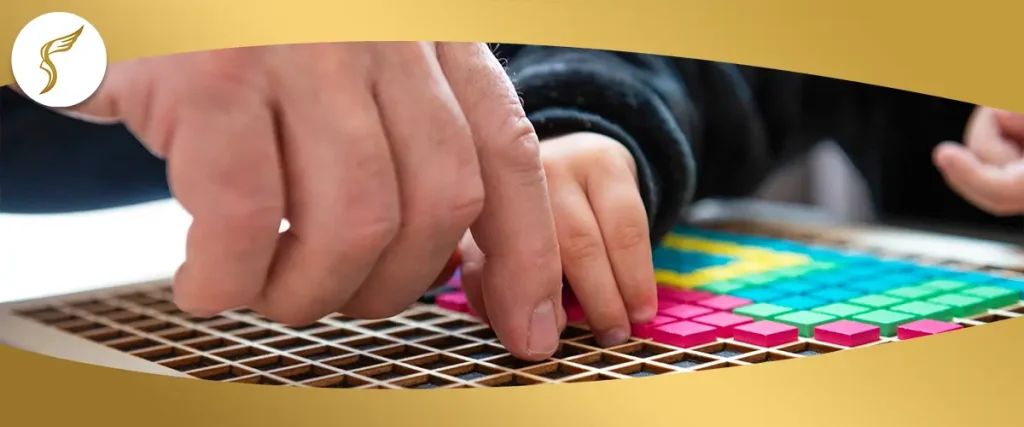
Tangrams, puzzles, LEGO building, and pattern blocks encourage assembling, manipulating shapes, and replicating patterns. These activities support visual memory, form constancy, and spatial relationships while keeping learners engaged through hands-on interaction.
Active and Movement-Based Activities
Eye tracking exercises, balloon toss games, obstacle courses, and “I Spy” activities combine movement with visual processing. Tracking moving objects improves visual attention, while navigating space strengthens spatial awareness and coordination.
Cognitive and Memory Games
Memory match games, drawing from memory, and visual logic games support recall and sequential memory. These activities help strengthen short-term visual storage and the ability to process visual information efficiently.
Why These Activities Are Used in Education and Therapy
Visual perception activities are widely used in occupational therapy, vision therapy, and educational programs. They support developmental milestones related to reading readiness, handwriting improvement, and math visualization.
In special education settings, these activities are often part of structured intervention plans for learners with learning disabilities such as dyslexia or dysgraphia. They are also used to support sensory integration and overall skill-building in children who struggle with visual processing.

Choosing the Right Activities Based on Everyday Challenges
Grouping activities by the problem they address improves outcomes.
- For handwriting difficulties:
Focus on visual-spatial activities, mazes, dot-to-dots, and visual-motor integration tasks.
- For difficulty finding objects:
Emphasize figure-ground activities such as hidden picture puzzles and “I Spy” games.
- For reading challenges or skipping words:
Use visual tracking, word searches, and visual sequential memory activities.
Short, consistent practice sessions are often more effective than long, infrequent ones.
Frequently Asked Questions
Visual perception activities are structured tasks designed to strengthen how the brain interprets visual information. They support skills such as memory, attention, and spatial awareness.
These skills influence reading accuracy, handwriting clarity, math alignment, and overall classroom performance.
Worksheets can help, but combining paper-based tasks with hands-on and movement activities often leads to better skill development.
Progress varies, but consistent practice over several weeks often leads to noticeable changes in focus and coordination.
If visual challenges persist across home and school settings, a comprehensive eye exam and professional assessment are recommended.
Conclusion
Visual perception activities play an important role in strengthening the skills that support learning, coordination, and daily independence. When chosen thoughtfully and practiced consistently, these activities can improve focus, memory, and visual understanding across many tasks.

Claim Your Exclusive LASIK Offer
By submitting this form, you consent to the processing of your personal data in accordance with our Data Privacy Notice.
At Shinagawa Lasik & Aesthetics, visual health is approached with the same commitment to precision, education, and patient care. By providing clear, reliable information, Shinagawa continues to support informed decision-making and long-term eye health for individuals and families in the Philippines.
For inquiries, questions, and appointments, call our Patient Care Lines:
🖥 Talk to our Consultants via Livechat: https://direct.lc.chat/6329011/
📱 Instagram: https://instagram.com/shinagawa_ph/