
Stress affects almost every part of the body — from the heart and hormones to the nervous system. But many people are surprised to learn that stress can also affect vision. Some experience temporary blindness, tunnel vision, or sudden difficulty focusing, especially during periods of intense anxiety. These episodes can feel frightening and may lead people to believe something is seriously wrong with their eyes.
While stress rarely causes permanent blindness, it can trigger visual changes that mimic certain eye conditions. It can also worsen existing eye diseases, making stress management an important part of maintaining healthy eyesight, especially for Filipinos who live in fast-paced, high-stress environments.
Let’s explore how stress impacts vision, what symptoms to watch for, and when it may be a sign of something more serious. The goal is to help you understand these changes clearly and confidently — with guidance you can trust.
How Stress Affects the Eyes
When the body enters a fight-or-flight response, stress hormones like cortisol and adrenaline surge. This causes changes in blood flow, breathing, and even the way the visual system functions.
Here are the main ways stress influences your eyes:
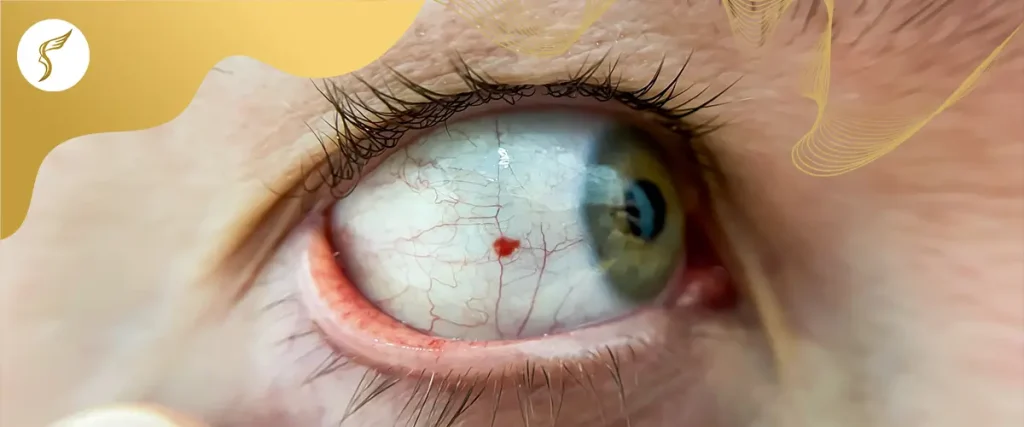
Reduced Ocular Blood Flow
Stress can cause vasoconstriction, or narrowing of blood vessels. When this happens, blood flow to the retina, optic nerve, and choroid may temporarily decrease. This can lead to:
- Blurry vision
- Graying out
- Partial or momentary blindness
These symptoms often resolve once stress levels drop.
Cortisol’s Effect on the Eyes
High cortisol levels can affect sensitive eye tissues like the retinal pigment epithelium (RPE) and choroidal vessels. For some individuals, this hormonal imbalance triggers central serous chorioretinopathy (CSCR) — a condition where fluid accumulates under the retina, causing distorted or dim central vision.
Muscle Tension and Eye Strain
Stress causes the facial and eye muscles to tighten. This may result in:
- Difficulty focusing
- Eye strain
- Throbbing around the eyes
- Temporary diplopia (double vision)
For individuals using screens for long hours, stress-related muscle tension can worsen visual fatigue.
Can Stress Cause Temporary Blindness?
Yes — stress can cause temporary vision loss, often referred to as stress-induced blindness or functional visual loss.
Functional Visual Loss (FVL)
This is a non-organic vision problem, meaning no physical damage is found in the eye. It is often triggered by:
- Acute anxiety
- Emotional distress
- Panic attacks
- Psychosomatic response
Symptoms may include:
- Sudden blurring
- “Vision fogging”
- Dark patches
- Tunnel vision
- Difficulty seeing despite normal eye exams
It is reversible once stress is controlled.
Visual Changes During Panic Attacks
A panic attack can cause hyperventilation, which affects carbon dioxide levels in the blood. This may lead to:
- Temporary narrowing of the visual field
- Lightheadedness
- Flashing lights
- Blacking out
This is not permanent, but it is alarming if you’re experiencing it for the first time.
Migraine With Aura
Stress is one of the strongest triggers for migraine aura, which may cause:
- Zigzag lines
- Blind spots
- Temporary loss of vision
Migraine-related vision changes often last 10–60 minutes and gradually improve.

Stress Can Worsen Existing Eye Conditions
Stress may not directly damage the eyes, but it can aggravate diseases that can eventually cause blindness if untreated.
Glaucoma
Sudden spikes in intraocular pressure (IOP) can occur during high stress, putting strain on the optic nerve.
Retinal Vein Occlusion (RVO)
Stress can contribute to systemic issues like:
- Hypertension
- Poor blood circulation
- Vascular inflammation
These conditions increase the risk of retinal blood vessel blockage, leading to serious vision problems.
Central Serous Chorioretinopathy (CSCR)
As mentioned above, cortisol can weaken the RPE and allow serous fluid to accumulate under the retina, temporarily distorting vision.
Optic Neuritis & Uveitis
Autoimmune flare-ups triggered by stress may cause inflammation in the:
- Optic nerve
- Uveal tract
Though uncommon, these can impact vision significantly.
Common Symptoms of Stress-Related Vision Problems
If you are experiencing stress-induced vision changes, you may notice:
- Blurred or “foggy” vision
- Tunnel vision or visual field constriction
- Light sensitivity
- Temporary dark spots
- Difficulty focusing
- Eye strain or pressure behind the eye
- Headaches or migraine aura
If these symptoms persist, worsen, or recur frequently, it is important to see an eye specialist.
Managing Stress-Related Vision Problems
Improvement usually requires a combination of:
- Stress management
- Adequate sleep
- Eye rest and screen breaks
- Mindfulness and breathing exercises
- Therapy such as Cognitive Behavioral Therapy (CBT)
- Medication when necessary
For conditions like CSCR or glaucoma, medical treatment is essential.
Conversational FAQs
Not usually permanent blindness, but severe stress can cause temporary vision loss, and it can worsen diseases that may lead to blindness if left untreated.
During a panic attack, the body redirects blood flow to essential organs, causing temporary visual field narrowing or “tunnel vision”.
No. Functional visual loss is reversible once stress levels are controlled and underlying eye conditions are ruled out.
Yes. Sudden visual changes should always be checked by an ophthalmologist to rule out serious causes.
Conclusion
Stress affects both the body and the eyes more than many people realize. While stress-induced visual changes are often temporary, they can be alarming — and they can also worsen existing eye conditions if left unmanaged. Paying attention to your mental well-being and seeking timely eye care can help protect your vision long-term.

By submitting this form, you consent to the processing of your personal data in accordance with our Data Privacy Notice.
At Shinagawa Lasik & Aesthetics, we provide comprehensive eye evaluations, advanced diagnostics, and expert guidance to help you understand and protect your vision. Whether your symptoms are stress-related or due to an underlying condition, our specialists are here to ensure you receive the best care possible.
For inquiries, questions, and appointments, call our Patient Care Lines:
🖥 Talk to our Consultants via Livechat: https://direct.lc.chat/6329011/
📱 Instagram: https://instagram.com/shinagawa_ph/
Citations and Resources
Shinagawa LASIK & Aesthetics strives to provide accurate and reliable information regarding LASIK procedures and eye health. We utilize primary sources to support our content, including peer-reviewed scientific studies, data from reputable medical organizations, and expert opinions. We also reference established publications and research where appropriate.
Our commitment to evidence-based information ensures that you receive trustworthy and up-to-date details to make informed decisions about your eye care.
Resources Used in This Article
- PubMed. “Mental stress as consequence and cause of vision loss: the dawn of psychosomatic ophthalmology for preventive and personalized medicine, https://pubmed.ncbi.nlm.nih.gov/29896314/”
- National Library of Medicine. “Nonorganic Vision Loss, https://www.ncbi.nlm.nih.gov/books/NBK599519/”
- News Medical Net. “Persistent psychological stress contributes to development and progression of vision loss, https://www.news-medical.net/news/20180619/Persistent-psychological-stress-contributes-to-development-and-progression-of-vision-loss.aspx”