Visual perception plays a vital role in how we move, learn, and stay safe each day. While many people think vision is simply about seeing clearly, visual perception goes much deeper. It is the brain’s ability to interpret what the eyes see and turn visual information into meaningful actions.
From crossing a busy street to reading a message on your phone, visual perception works quietly in the background. Understanding how it functions—and seeing clear examples in real life—helps people appreciate why good visual processing is essential for everyday living.
Visual Perception Examples in Daily Life and Survival
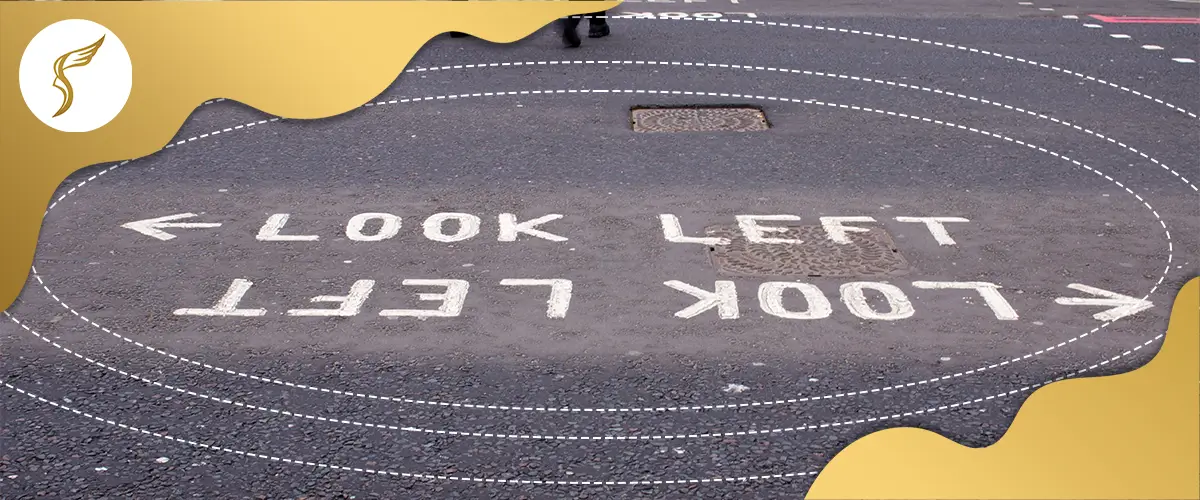
Navigation and Movement
One of the most important uses of visual perception is navigation. We rely on it to judge distance, estimate speed, and avoid obstacles.
Examples include:
- Driving a car and knowing when to brake
- Crossing a busy street safely
- Parking in a tight space
- Cycling while avoiding pedestrians
These actions depend on depth perception, motion detection, and spatial awareness working together.
Searching and Finding Objects
Visual perception helps the brain filter clutter and focus on what matters.
Real-life examples include:
- Finding your keys on a messy desk
- Grocery shopping in crowded aisles
- Spotting a friend in a large crowd
This ability, often called figure-ground perception, allows us to separate important objects from the background.
Object Use and Hand-Eye Coordination
Many daily tasks require precise coordination between vision and movement.
Common examples include:
- Pouring water into a glass
- Typing on a keyboard
- Using a key to unlock a door
These tasks depend on accurate visual feedback and spatial understanding to guide hand movements.
Visual Perception in Reading, Writing, and Learning
Reading and Visual Tracking
Reading requires the brain to recognize letters, track across lines, and ignore unnecessary visual space. Visual perception allows readers to identify word shapes and adjust to different fonts and layouts.
Everyday reading examples include:
- Reading books or school materials
- Scanning a menu
- Recognizing changes in font size or style
Writing and Visual-Spatial Skills
Writing also depends on visual perception. The brain helps maintain spacing, alignment, and consistency.
Examples include:
- Handwriting neatly
- Copying from a whiteboard
- Drawing shapes or diagrams
These tasks rely on visual-spatial awareness and coordination.

Understanding Symbols and Visual Meaning
Visual perception helps us understand symbols that carry meaning beyond words.
Examples include:
- Reading road signs
- Following maps
- Interpreting icons and emojis on digital screens
This skill allows people of all ages to navigate both physical and digital environments.

Depth Perception and Seeing the World in Three Dimensions
Depth perception helps us understand how far away objects are and how they relate to one another in space.
- Monocular cues include size, perspective, and overlapping objects. These help explain why distant buildings appear smaller.
- Binocular cues rely on both eyes working together, allowing tasks such as catching a ball or stepping off a curb safely.
When depth cues are misinterpreted, visual illusions can occur. Optical illusions show how the brain sometimes makes educated guesses based on context rather than exact measurements.
Common Questions About Visual Perception
Recognizing a friend’s face in a crowd is a clear example of visual perception at work.
It helps people move safely, read efficiently, find objects, and understand visual information.
No. Eyesight measures clarity, while visual perception focuses on how the brain interprets what is seen.
Illusions occur when the brain misinterprets visual cues based on context and past experience.
Yes. Factors such as age, attention, fatigue, and overall eye health can influence visual perception.
Final Thoughts
Visual perception shapes nearly every aspect of daily life, from basic movement to complex learning. It allows the brain to turn light into meaning and action, helping people stay safe, productive, and engaged with the world.
Understanding visual perception also highlights the importance of professional eye care and proper visual assessment. Shinagawa Lasik & Aesthetics remains committed to educating the public about vision health, combining medical expertise with patient-centered care to help individuals make informed decisions about their eyesight and visual well-being.
Conclusion
Visual perception activities play an important role in strengthening the skills that support learning, coordination, and daily independence. When chosen thoughtfully and practiced consistently, these activities can improve focus, memory, and visual understanding across many tasks.

Claim Your Exclusive LASIK Offer
By submitting this form, you consent to the processing of your personal data in accordance with our Data Privacy Notice.
At Shinagawa Lasik & Aesthetics, visual health is approached with the same commitment to precision, education, and patient care. By providing clear, reliable information, Shinagawa continues to support informed decision-making and long-term eye health for individuals and families in the Philippines.
For inquiries, questions, and appointments, call our Patient Care Lines:
🖥 Talk to our Consultants via Livechat: https://direct.lc.chat/6329011/
📱 Instagram: https://instagram.com/shinagawa_ph/
By submitting this form, you consent to the processing of your personal data in accordance with our Data Privacy Notice.