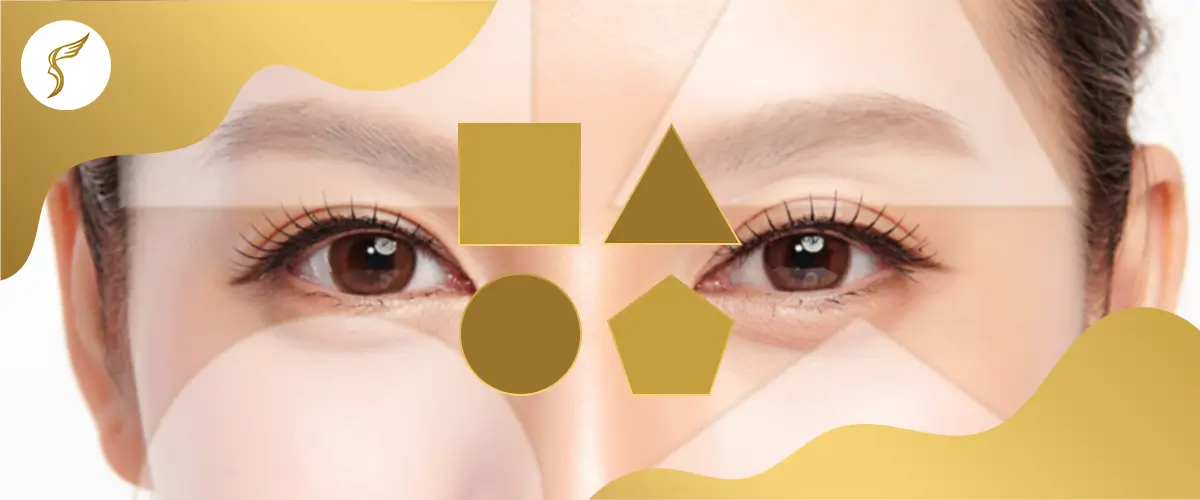
Visual perception begins when light enters the eyes and is converted into signals through a process known as phototransduction. These signals travel along neural pathways and reach different areas of the brain responsible for processing visual information.
Once the signals arrive, the brain begins image processing. This includes identifying shapes, detecting motion, understanding color, and recognizing objects. The visual cortex, located at the back of the brain, plays a major role in this process.
The brain also uses two main processing pathways. One pathway focuses on identifying objects, faces, and details. The other focuses on spatial awareness, movement, and location. Together, these systems allow people to understand not only what they are seeing, but also where objects are and how to interact with them.
This complex coordination happens within milliseconds, allowing seamless interaction with the environment.
Visual Perception Skills Used in Everyday Life
Visual perception supports many essential skills used throughout daily life.
These include figure-ground perception, which allows a person to locate an object within a busy background, such as finding keys on a cluttered table. Pattern recognition helps identify letters and words while reading. Shape and color constancy allow objects to be recognized even when lighting or angle changes.
Visual memory supports recalling what was seen moments earlier, while depth perception helps judge distance and movement. These skills are vital for tasks such as driving, navigating stairs, playing sports, and performing detailed work.
Without efficient visual perception, even simple activities can become challenging.
How the Brain Organizes Visual Information
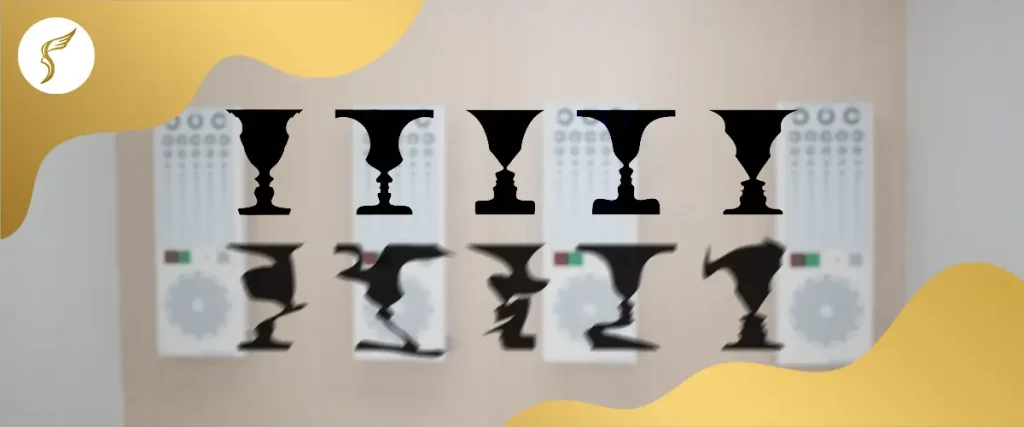
The brain does not process visual information randomly. Instead, it organizes what we see using natural grouping principles. These principles help create a clear and structured understanding of the visual world.
For example, the brain naturally groups objects that are close together, similar in shape, or moving in the same direction. It also fills in missing visual information to create complete images.
This ability allows people to recognize objects quickly and understand complex visual scenes without conscious effort.
Depth Perception and Spatial Awareness
Visual perception also plays a major role in understanding space and distance. Depth perception allows people to judge how far away objects are, which is essential for walking safely, driving, and navigating unfamiliar environments.
The brain uses both binocular cues, which rely on input from both eyes, and monocular cues, which work even with one eye. These cues help estimate distance, size, and movement accurately.
When depth perception is disrupted, individuals may feel disoriented or unsafe in everyday situations.
When Visual Perception Is Disrupted
Visual perceptual difficulties occur when the brain has trouble interpreting visual input. These challenges are not related to eye health alone and may affect both children and adults.
Common signs include difficulty recognizing objects or faces, problems with reading and writing, poor hand-eye coordination, and trouble navigating busy environments. Some individuals experience visual distortion or delayed processing of visual information.
In children, visual perception challenges may affect learning, classroom performance, and confidence. In adults, these difficulties may appear after injury, illness, or neurological changes.
Early recognition is important because appropriate support can significantly improve daily function.
How Visual Perception Is Assessed
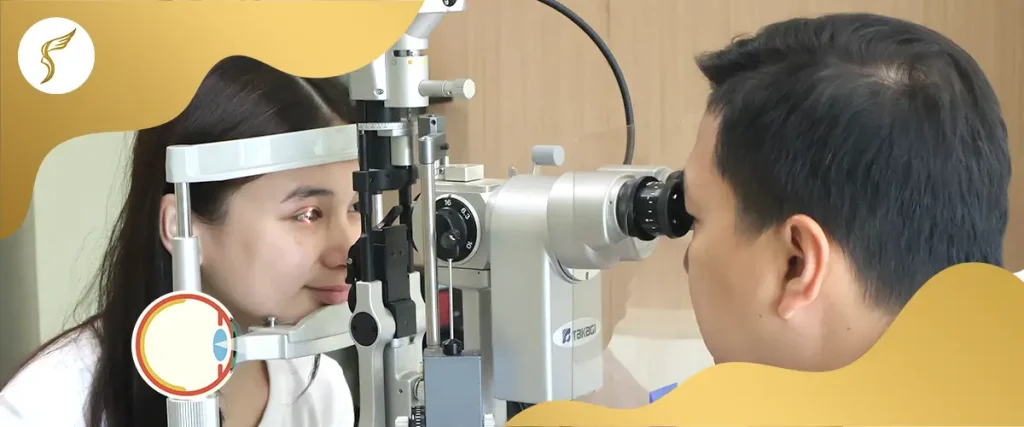
Visual perception is evaluated through structured assessments that focus on how the brain processes visual information. These assessments may include tasks involving visual-motor integration, spatial relationships, memory, and figure-ground discrimination.
Professionals such as occupational therapists and neuropsychologists often work together to understand how visual perception affects daily activities. The goal of assessment is not diagnosis alone, but guidance on appropriate support strategies.
Can Visual Perception Improve?
In many cases, visual perception can improve with proper intervention and support. Structured activities, therapy programs, and environmental adjustments may help strengthen visual processing skills.
Progress depends on the underlying cause, the individual’s needs, and early intervention. Support strategies focus on improving function rather than correcting vision alone.
Frequently Asked Questions About Visual Perception
Visual perception is how the brain understands and interprets what the eyes see.
No. Eyesight refers to how clearly you see, while visual perception refers to how the brain processes visual information.
Yes. A person may have clear vision but still struggle with interpreting visual details.
Reading, recognizing faces, judging distance, and finding objects in cluttered spaces all rely on visual perception.
It is assessed using structured evaluations that measure how visual information is processed and used.
Final Thoughts
Visual perception plays a crucial role in how people interact with the world. It influences learning, movement, safety, and daily independence. Understanding the difference between seeing and perceiving helps individuals recognize challenges early and seek appropriate guidance.

Claim Your Exclusive LASIK Offer
By submitting this form, you consent to the processing of your personal data in accordance with our Data Privacy Notice.
At Shinagawa Lasik & Aesthetics, patient education remains a priority. By helping individuals understand how vision and perception work together, Shinagawa continues to support informed eye health decisions and long-term visual well-being.
For inquiries, questions, and appointments, call our Patient Care Lines:
🖥 Talk to our Consultants via Livechat: https://direct.lc.chat/6329011/
📱 Instagram: https://instagram.com/shinagawa_ph/
Citations and Resources
Shinagawa LASIK & Aesthetics strives to provide accurate and reliable information regarding LASIK procedures and eye health. We utilize primary sources to support our content, including peer-reviewed scientific studies, data from reputable medical organizations, and expert opinions. We also reference established publications and research where appropriate.
Our commitment to evidence-based information ensures that you receive trustworthy and up-to-date details to make informed decisions about your eye care.
Resources Used in This Article
- National Eye Institute. “Expanding our view of vision, https://www.nei.nih.gov/research-and-training/research-news/expanding-our-view-vision”
- National Eye Institute. “How the Eyes Work. https://www.nei.nih.gov/eye-health-information/healthy-vision/how-eyes-work”
- PubMed. “Why Is There So Much More Research on Vision Than on Any Other Sensory Modality?, https://pmc.ncbi.nlm.nih.gov/articles/PMC6787282″
- WHO. “Increasing eye care interventions to address vision impairment, https://www.who.int/publications/m/item/increasing-eye-care-interventions-to-address-vision-impairment”