
Double vision (diplopia) happens when you see two images of a single object instead of one. Sudden, temporary double vision means this change appears quickly and may come and go within minutes or hours. In many Filipino patients, this may be linked to eye strain, uncontrolled sugar, or more serious conditions like TIA (mini‑stroke) or cranial nerve palsy.
Doctors also classify double vision as monocular or binocular. Monocular diplopia (one eye only) often points to problems in the eye itself, such as cornea, lens, or tear film issues. Binocular diplopia (both eyes together) is more concerning because it usually involves eye muscles, nerves, or the brain.
When Is Sudden Double Vision an Emergency?
Sudden‑onset diplopia can be an emergency, particularly when it comes “out of nowhere” and has no obvious trigger. In the Philippines, stroke remains one of the leading causes of death, with higher mortality reported in urban regions like Metro Manila due to lifestyle factors and delayed consultation. Double vision can be an early sign of a stroke or TIA in some patients.
Go to the nearest ER immediately if double vision appears suddenly and is accompanied by:
- Weakness or numbness on one side of the body
- Slurred or confused speech
- Sudden, severe headache or neck pain
- Drooping eyelid (ptosis) or facial droop
- Loss of balance or difficulty walking
A TIA, often called a “mini‑stroke,” can cause temporary double vision that resolves in less than 24 hours but carries a high risk for a major stroke in the days or weeks that follow. In these situations, time is critical, and emergency brain imaging (CT scan or MRI) is often needed.

Common Causes in Filipino Patients
For many Filipinos, sudden, temporary double vision is linked to health problems that are already common in the country.
- Diabetes (“uncontrolled sugar”) can damage small blood vessels and the cranial nerves that control eye muscles, leading to binocular diplopia or cranial nerve palsy.
- Hypertension (“high blood”) and high cholesterol are well‑known “silent killers” that increase the risk of stroke, TIA, and aneurysm, all of which can present with double vision.
- Cranial nerve palsies involving the 3rd, 4th, or 6th nerves can cause sudden misalignment of the eyes, side‑by‑side or vertical double vision, and sometimes drooping of the eyelid.
- Myasthenia gravis, an autoimmune condition, may cause fluctuating double vision that worsens when you are pagod or at the end of the day.
- Thyroid eye disease can lead to swollen tissues around the eyes, restricted movement, and binocular diplopia.
- Less serious causes include digital eye strain (“nangangalay o pagod na mata”), ocular migraine, or temporary imbalance of eye muscles after long gadget use or sleepless nights.
Although some of these causes sound mild, others are life‑threatening, which is why doctors treat sudden double vision as a “red flag” symptom that must be properly checked.
How Doctors Diagnose Sudden Double Vision
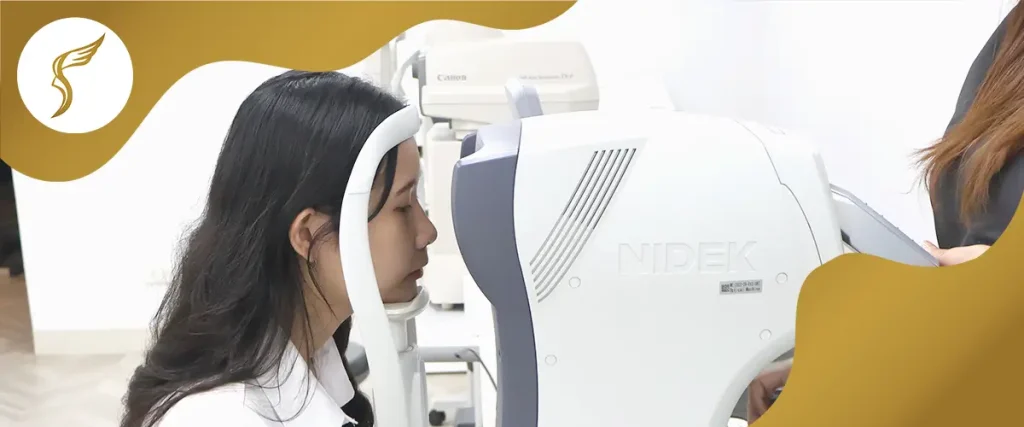
Most patients start with a detailed history and eye examination. The doctor will ask when the double vision started, whether it is side‑by‑side or top‑and‑bottom, and whether it changes when you cover one eye. They will also check your eye movements, pupils, eyelids, and basic vision.
Depending on your symptoms, further tests may include:
- Brain imaging (CT scan or MRI) to look for stroke, aneurysm, bleeding, or other brain and nerve problems.
- Blood tests for blood sugar, cholesterol, and thyroid function, as these are common underlying factors in Filipino patients.
- Specialized tests for myasthenia gravis or other autoimmune diseases when fluctuating double vision and fatigue are present.
These tests help separate harmless causes from conditions that need urgent treatment or long‑term follow‑up.
Treatment and What You Can Do
Treatment depends on the cause and may range from simple to very complex.
- Eye‑related causes such as dry eye, refractive error, or cataract may be managed with lubricating drops, updated eyeglasses, or surgery if needed.
- Double vision from diabetes or hypertension often improves when blood sugar and blood pressure are controlled, sometimes with the help of prisms in glasses or temporary eye patches.
- Neurologic causes like stroke, TIA, aneurysm, or severe infections require hospital care, brain imaging, and sometimes surgery or intensive medical management.
- Autoimmune causes such as myasthenia gravis or thyroid eye disease are treated with specific medicines, and close coordination between neurologists, endocrinologists, and eye specialists.
At home, you should avoid driving, climbing ladders, or operating machinery while your vision is double. Bring a companion to medical appointments, and if you have a printed MRI or CT result, ask the doctor to clearly “paliwanag ang resulta” so you fully understand the findings and next steps.
Conversational FAQs (People Also Ask)
No, not always, but stroke and TIA are among the most serious causes, so doctors treat sudden double vision as a warning sign until proven otherwise.
Double vision related to digital eye strain or pagod na mata may improve with rest, proper lighting, and breaks from screens, but recurring symptoms still need an eye exam.
If your symptoms are sudden and severe, or come with weakness, headache, or slurred speech, go to the ER where both an eye specialist and a neurologist can evaluate you as needed.
True permanent double vision after modern LASIK is uncommon when patients are carefully screened and treated in an experienced center, but any new or persistent diplopia after eye surgery should be checked promptly.
Why Shinagawa Lasik & Aesthetics Matters in This Conversation
For sudden, temporary double vision, the first priority is always safety: rule out emergencies, protect your brain, and get a correct diagnosis. After that, you still need a trusted eye partner who can assess your overall visual health and guide you on long‑term solutions, whether that means updated glasses, monitoring of systemic disease, or safe vision correction in the future.

Claim Your Exclusive LASIK Offer
By submitting this form, you consent to the processing of your personal data in accordance with our Data Privacy Notice.
Shinagawa Lasik & Aesthetics is one of the world’s largest LASIK providers and has been serving Filipino patients for more than 15 years, combining Japanese‑standard technology with comprehensive eye screening and experienced surgeons. By offering in‑depth eye evaluations and clear patient education, Shinagawa helps Filipinos understand symptoms like double vision early, seek proper treatment, and explore safe options for clearer vision when the time is right.
For inquiries, questions, and appointments, call our Patient Care Lines:
🖥 Talk to our Consultants via Livechat: https://direct.lc.chat/6329011/
📱 Instagram: https://instagram.com/shinagawa_ph/
Citations and Resources
Shinagawa LASIK & Aesthetics strives to provide accurate and reliable information regarding LASIK procedures and eye health. We utilize primary sources to support our content, including peer-reviewed scientific studies, data from reputable medical organizations, and expert opinions. We also reference established publications and research where appropriate.
Our commitment to evidence-based information ensures that you receive trustworthy and up-to-date details to make informed decisions about your eye care.
Resources Used in This Article
- My Cleveland Clinic. “Diplopia (Double Vision), https://my.clevelandclinic.org/health/diseases/22203-diplopia-double-vision”
- Liv Hospital. “How to Tell if Double Vision Is Neurological: 5 Signs, https://int.livhospital.com/how-to-tell-if-double-vision-is-neurological-5-signs/”
- Liv Hospital. “Stroke Precursors: 5 Critical Warning Signs, https://int.livhospital.com/stroke-precursors-5-critical-warning-signs/”
- Memphis Neurology. “7 Signs of a Transient Ischemic Attack (TIA) You Can’t Ignore, https://www.memphisneurology.com/blog/7-signs-of-a-transient-ischemic-attack-tia-you-cant-ignore”
- PubMed. “Binocular diplopia: a retrospective study of 204 cases, https://pubmed.ncbi.nlm.nih.gov/40118176/”
- PubMed Central. “Causes and Outcomes of Patients Presenting with Diplopia: A Hospital-based Study, https://pmc.ncbi.nlm.nih.gov/articles/PMC8312586/”
By submitting this form, you consent to the processing of your personal data in accordance with our Data Privacy Notice.