
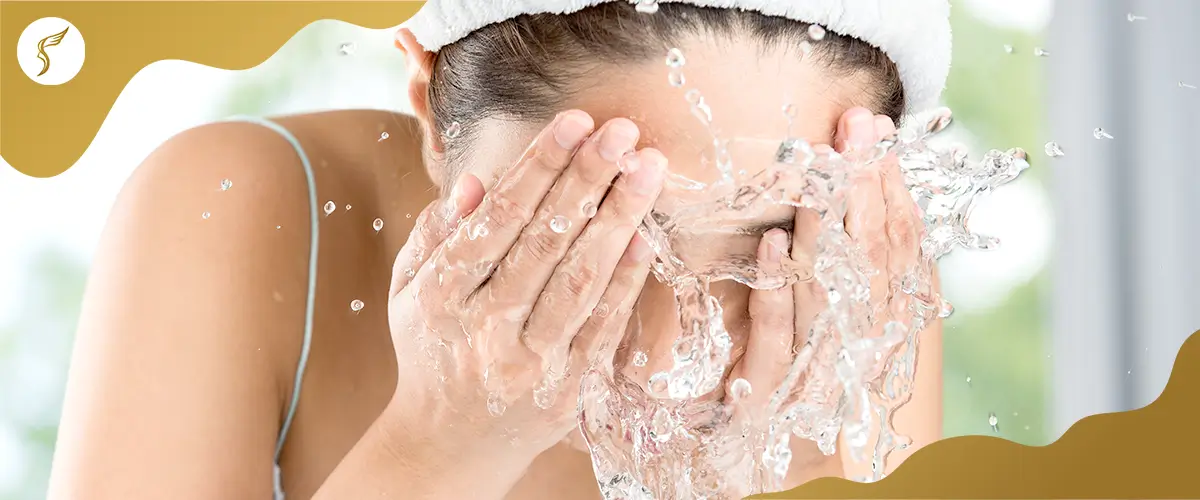
When something suddenly irritates your eye, your instinct might be to rush to the sink and rinse it with water. It feels natural and convenient, especially at home or at work. But is it actually safe to rinse your eyes with tap water? For many people—especially contact lens wearers—the answer is more complicated than it seems.
Your eyes are delicate. Even simple exposure to non-sterile water can irritate the ocular surface or, in rare cases, introduce infections. Understanding when it’s safe, when it’s not, and how to rinse your eyes properly can protect your vision and prevent long-term complications.
Eye Naturally React Strongly to Water
The surface of your eye is protected by a balanced tear film that maintains clarity and comfort. Tap water disrupts this natural balance. It’s not sterile, and it may contain microorganisms, chlorine, minerals, or tiny debris that can irritate the cornea.
Even water that is safe for drinking isn’t always safe for direct eye contact. The cornea is sensitive, and any foreign substance can trigger redness, irritation, or temporary blurring.
This is why eye doctors often prefer sterile saline, artificial tears, or eye wash solutions over tap water for routine rinsing.
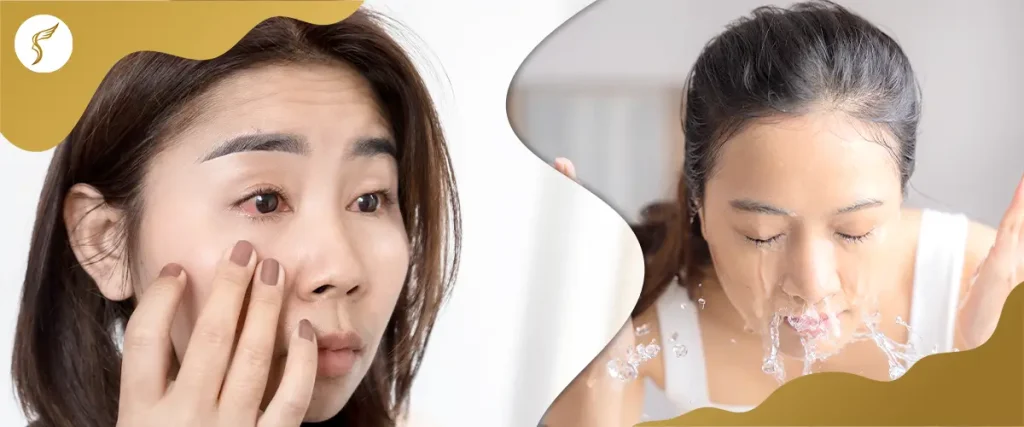
Is It Safe to Rinse Your Eyes with Tap Water?
The short answer: sometimes—but only in specific situations.
✔️ If You Do NOT Wear Contact Lenses
For individuals who don’t use contacts, a quick rinse with clean, running tap water may be acceptable for minor irritants like dust, an eyelash, or perspiration.
However, it should only be done briefly and carefully. Tap water is not sterile, so there’s still a small risk of irritation.
❌ If You Wear Contact Lenses
For contact lens wearers, eye doctors strongly advise avoiding tap water at all costs.
Tap water can introduce Acanthamoeba, a microscopic organism found in many water systems. When trapped under contact lenses, this organism can cause Acanthamoeba keratitis, a painful and serious eye infection.
Even rare infections can lead to:
- Severe pain
- Blurred vision
- Corneal damage
- Long-term vision problems
Swimming, showering, or washing your face while wearing your contact lenses also increases the risk. For safety, always remove your lenses before any water exposure.
How Long Should You Rinse Your Eyes For?
The answer depends on what caused the irritation.
For Minor Irritation
If dust or an eyelash enters the eye:
- Rinse with clean, lukewarm running water for 30 seconds to 2 minutes.
- Avoid rubbing the eye.
- Blink frequently to help flush out particles.
- Follow up with lubricating eye drops.
For Chemical Exposure (Soap, Shampoo, Cleaning Agents)
In this situation, immediate rinsing is crucial, and tap water is the fastest option.
- Rinse continuously for 15 to 20 minutes.
- Keep your eye open even if it’s uncomfortable.
- Seek medical help right away.
Chemical exposure is the only time where flushing with tap water takes priority over all other concerns.
How to Properly Rinse Your Eyes with Water
If you do need to rinse your eye, follow these safe steps:
- Wash your hands thoroughly.
- Use lukewarm, gently flowing water—not high pressure.
- Tilt your head so the affected eye is facing downward.
- Hold your eyelids open and let the water flow from the inner corner to the outer corner.
- Blink often while rinsing.
- After rinsing, apply sterile lubricating drops if needed.
This technique helps the water flush the irritant out instead of pushing it deeper into the eye.
Safer Alternatives to Tap Water
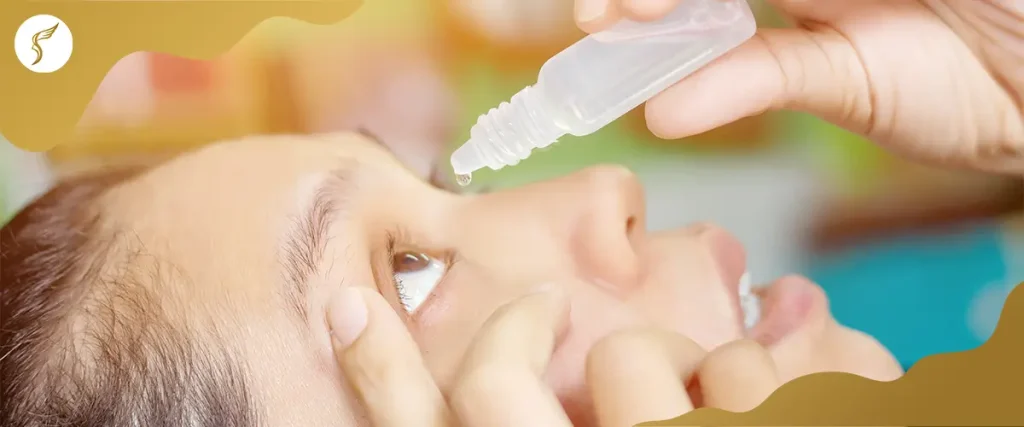
Whenever possible, opt for sterile solutions, especially if you frequently experience eye irritation:
- Preservative-free artificial tears
- Sterile saline eye wash
- Eyewash cups with sterile solution
These products maintain the eye’s natural balance and significantly reduce the risk of irritation or contamination.
For contact lens users, keep these reminders:
- Never rinse lenses with tap water.
- Never store lenses in water.
- Replace lens cases every 1–3 months.
- Remove lenses before swimming, showering, or entering a hot tub.
Good contact lens hygiene is one of the strongest ways to protect your eyes from infection.
When to See an Eye Doctor?
Seek immediate eye care if you experience:
- Increasing pain
- Persistent redness
- Sensitivity to light
- Blurred or hazy vision
- A feeling of something stuck in your eye
- No improvement hours after rinsing
These symptoms may indicate inflammation or infection and require prompt evaluation by an eye specialist.
Conversational FAQs
Not recommended. Daily rinsing can disturb your tear film and cause dryness or irritation. Use lubricating eye drops instead.
Not necessarily. Bottled water is also not sterile. For eye rinsing, sterile saline is the best option.
Stop rinsing and schedule an eye exam immediately. Persistent discomfort may signal a deeper issue.
Prolonged or repeated exposure may irritate your eyes. For contact lens wearers, tap water significantly increases infection risk.
For mild irritants, a brief rinse is acceptable. But watch closely for persistent redness or tearing and consult a doctor if symptoms continue.
Protecting your Eyes and Vision Matters
Rinsing your eyes with tap water may seem harmless, but it isn’t always the safest option—especially for contact lens wearers. Understanding when it’s okay, when it’s risky, and how to rinse properly can prevent unnecessary irritation and protect your long-term eye health.
For reliable eye care, professional guidance, and advanced vision solutions, trust Shinagawa Lasik & Aesthetics, one of the Philippines’ most established leaders in laser vision correction and eye health services. Whether you need advice, treatment, or a full eye examination, their specialists are here to help you protect your vision with confidence.
For inquiries, questions, and appointments, call our Patient Care Lines:
🖥 Talk to our Consultants via Livechat: https://direct.lc.chat/6329011/
📱 Instagram: https://instagram.com/shinagawa_ph/
Citations and Resources
Shinagawa LASIK & Aesthetics strives to provide accurate and reliable information regarding LASIK procedures and eye health. We utilize primary sources to support our content, including peer-reviewed scientific studies, data from reputable medical organizations, and expert opinions. We also reference established publications and research where appropriate.
Our commitment to evidence-based information ensures that you receive trustworthy and up-to-date details to make informed decisions about your eye care.
Resources Used in This Article
- PubMed. A descriptive case of persistent Acanthamoeba keratitis: raising awareness of this complex ocular disease, https://pmc.ncbi.nlm.nih.gov/articles/PMC7470307/”
- Science Direct. “Acanthamoeba keratitis in noncompliant soft contact lenses users: Genotyping and risk factors, a study from Cairo, Egypt, https://www.sciencedirect.com/science/article/pii/S1876034117302472″
- JMSMA. “Acanthamoeba Keratitis, a Case Report, https://jmsma.scholasticahq.com/article/93972-acanthamoeba-keratitis-a-case-report”
- American Academy of Ophthalmology. “Is it OK to wash your eyes out with tap water?, https://www.aao.org/eye-health/ask-ophthalmologist-q/is-it-ok-to-wash-your-eyes-out-with-tap-water”
- RestoredCDC. “Notes from the Field: Acanthamoeba Keratitis Cases — Iowa, 2002–2017, https://restoredcdc.org/www.cdc.gov/mmwr/volumes/68/wr/mm6819a6.htm”