
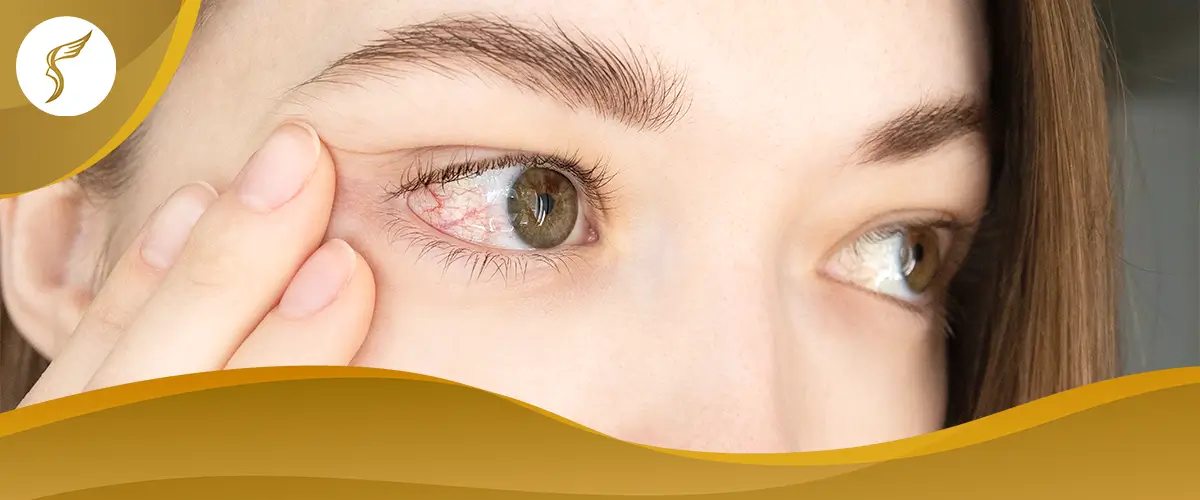
Allergic conjunctivitis is one of the most common reasons Filipinos experience itchy, red, watery eyes—especially during high pollen seasons, dusty days, or after exposure to allergens at home. It affects the conjunctiva, the clear membrane that covers the white of the eye and lines the inside of the eyelids. When allergens enter the eye, the immune system reacts, causing inflammation, redness, and discomfort.
Let’s tackle what allergic conjunctivitis is, why it happens, and how to manage it safely and properly.
What Is Allergic Conjunctivitis?
Allergic conjunctivitis is an eye allergy caused by the body’s response to triggers such as pollen, dust mites, pet dander, mold spores, or irritants like smoke and cosmetics. When these particles reach the ocular surface, they activate mast cells, which release histamine and other inflammatory substances. This leads to classic symptoms such as redness, itching, tearing, and swelling.
For most people, allergic conjunctivitis affects both eyes because allergens easily reach both ocular surfaces. However, some may notice stronger symptoms in one eye depending on exposure or eye-rubbing habits.
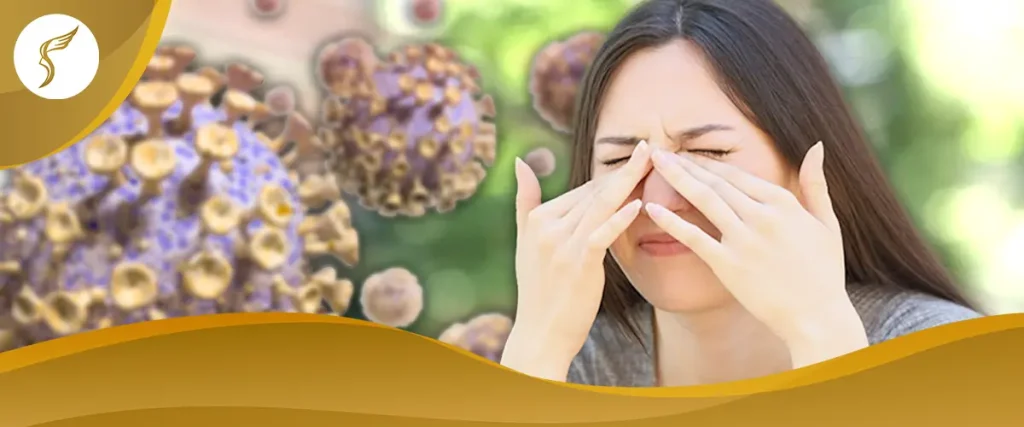
Why Allergic Conjunctivitis Happens
Your eye’s immune system is designed to protect you. When it identifies allergens, it launches a type I hypersensitivity reaction, mediated by Immunoglobulin E (IgE). This is what causes:
- Redness (hyperemia)
- Watery discharge
- Conjunctival swelling (chemosis)
- Itchiness or ocular pruritus
Outdoor allergens like grass, tree, and weed pollen can cause seasonal flare-ups. Indoor triggers such as dust mites, pet dander, and mold often lead to year-round irritation.
Common Symptoms You May Notice
Allergic conjunctivitis can cause a wide range of symptoms, including:
Itchy Eyes
Itching is the hallmark symptom because histamine irritates nerve endings on the conjunctiva.
Red, Irritated Eyes
The blood vessels on the ocular surface dilate, creating visible redness or conjunctival injection.
Watery or Stringy Discharge
Unlike bacterial infections, allergic conjunctivitis produces clear, watery tear flow or thin, stringy mucus.
Eyelid Swelling
The eyelids may become puffy (eyelid edema), especially in the morning.
Burning or Gritty Sensation
Some describe it as having sand or dust trapped in the eye.
Both Eyes Feel Affected — Most of the Time
Because allergens spread easily through air, both eyes usually react. But symptoms may appear stronger in one eye, especially if one eye is rubbed more frequently or exposed more directly to irritants.
What Causes Allergic Conjunctivitis?
Allergens and irritants are the biggest triggers. These include:
Environmental Allergens
- Pollen (grass, trees, weeds)
- Dust mites
- Mold spores
- Pet dander
- Airborne particles from pollution
Contact or Irritant Triggers
- Makeup or cosmetic products
- Contact lenses or lens solutions
- Smoke or perfume
- Hand-to-eye transfer of allergens
These triggers stimulate the eyes’ immune response, causing swelling and redness.
Treatment Options for Allergic Conjunctivitis
Management focuses on reducing symptoms and avoiding triggers.
Home Remedies & Lifestyle Changes
- Avoid rubbing your eyes
- Apply cold compresses
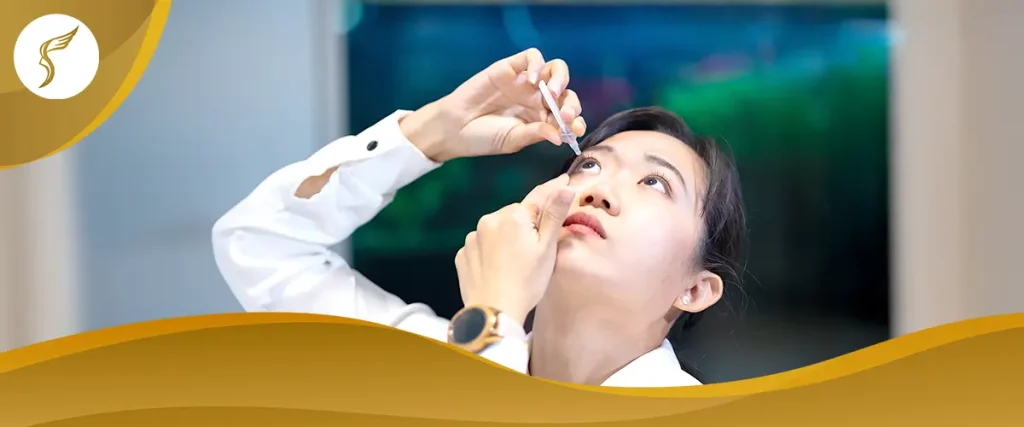
- Use lubricating eye drops
- Keep windows closed during high pollen days
- Clean bedding regularly to reduce dust mites
- Wear sunglasses outdoors
Over-the-Counter Medications
- Antihistamine eye drops
- Dual-action eye drops (e.g., Olopatadine)
- Artificial tears to flush out allergens
Prescription Treatments
For more persistent cases, eye doctors may prescribe:
- Stronger antihistamine or anti-inflammatory eye drops
- Mast cell stabilizers
- Short-term corticosteroid eye drops (for severe cases only)
- Immunomodulatory drops for chronic allergic keratoconjunctivitis
Prescription treatments are needed especially when symptoms interfere with daily life.
How to Prevent Allergic Conjunctivitis
You can reduce flare-ups with simple habits:
- Keep indoor areas clean and dust-free
- Use an air purifier with a HEPA filter
- Limit contact lens use during allergy season
- Avoid cosmetics that irritate the eyes
- Manage overall allergy symptoms with medication when needed
Good hygiene and lowering allergen exposure significantly decrease symptoms.
Conversational FAQs About Allergic Conjunctivitis
No. Unlike bacterial or viral conjunctivitis, allergic conjunctivitis is not contagious because it’s caused by allergens—not infection.
It depends on exposure. Symptoms may last a few hours or several days. Episodes persist longer if allergens remain in your environment.
If your symptoms worsen with contact lenses, switch to glasses temporarily. Daily disposable lenses may also help reduce irritation.
Most dual-action drops provide relief within minutes. However, severe cases may need prescription treatment.
Protecting Your Eyes from Allergic Conjunctivitis
Allergic conjunctivitis is uncomfortable, but with proper care, you can manage symptoms and protect your eye health. Identifying triggers, maintaining good eye hygiene, and using the right treatments can significantly reduce flare-ups.
If symptoms don’t improve, especially if only one eye is affected, it’s best to get a professional eye evaluation.
At Shinagawa Lasik & Aesthetics, we provide expert eye care and trusted guidance to help you maintain clear, healthy, and comfortable vision. Our specialists are here to support you with accurate diagnosis, advanced treatment options, and personalized care.
For inquiries, questions, and appointments, call our Patient Care Lines:
🖥 Talk to our Consultants via Livechat: https://direct.lc.chat/6329011/
📱 Instagram: https://instagram.com/shinagawa_ph/
Citations and Resources
Shinagawa LASIK & Aesthetics strives to provide accurate and reliable information regarding LASIK procedures and eye health. We utilize primary sources to support our content, including peer-reviewed scientific studies, data from reputable medical organizations, and expert opinions. We also reference established publications and research where appropriate.
Our commitment to evidence-based information ensures that you receive trustworthy and up-to-date details to make informed decisions about your eye care.
Resources Used in This Article
- Cleveland Clinic. “Allergic Conjunctivitis, https://my.clevelandclinic.org/health/diseases/allergic-conjunctivitis”+
- American Academy of Ophthalmology. “Allergic Conjunctivitis, https://eyewiki.org/Allergic_Conjunctivitis”
- National Library of Medicine. “Allergic Conjunctivitis, https://www.ncbi.nlm.nih.gov/books/NBK448118/”
- News Medical. “Managing and Treating Eye Allergies, https://www.news-medical.net/health/Managing-and-Treating-Eye-Allergies.aspx”
- American Academy of Ophthalmology. “Eye Allergies: Why Are My Eyes Itchy?, https://www.aao.org/eye-health/diseases/allergies”
- Nature. “Knowledge attitude and practice of patients with allergic conjunctivitis towards their disease, https://www.nature.com/articles/s41598-025-87518-2″